World Food Recipes
Discover and learn recipes from cuisines around the world
Category
Country/Region
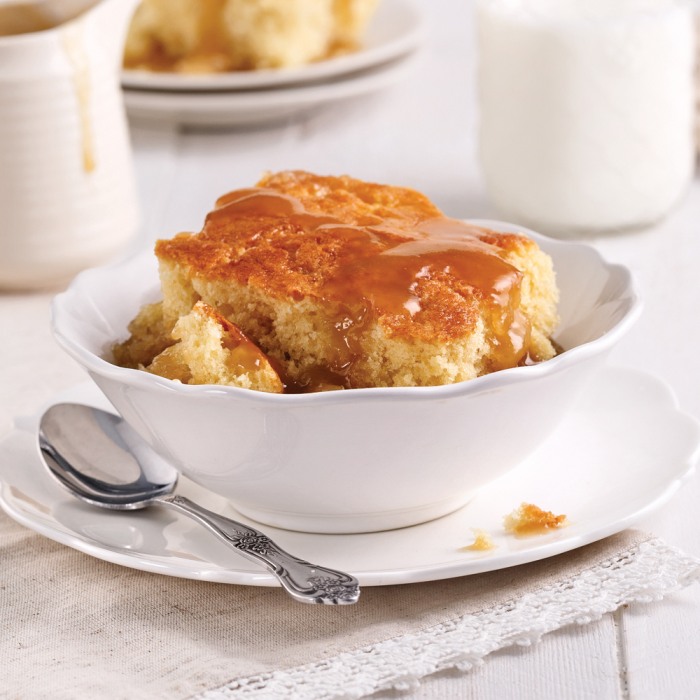
Pouding chomeur
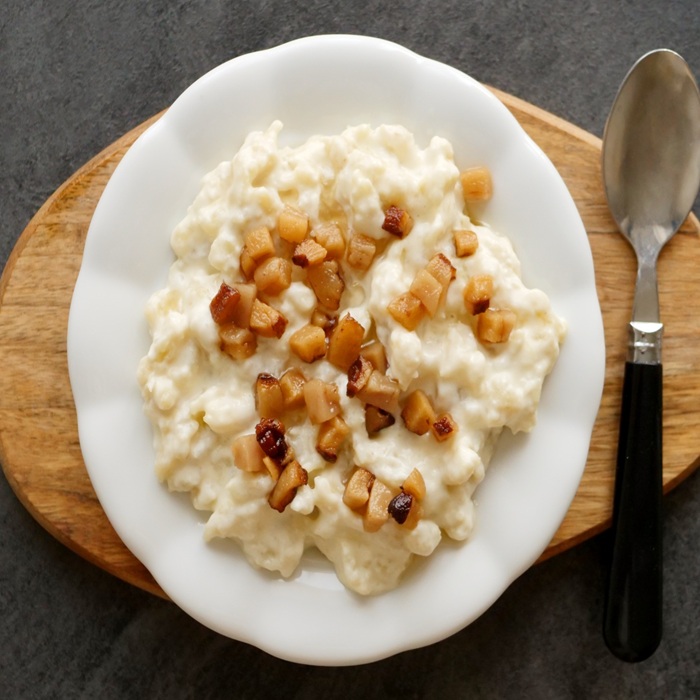
Bryndzové Halušky
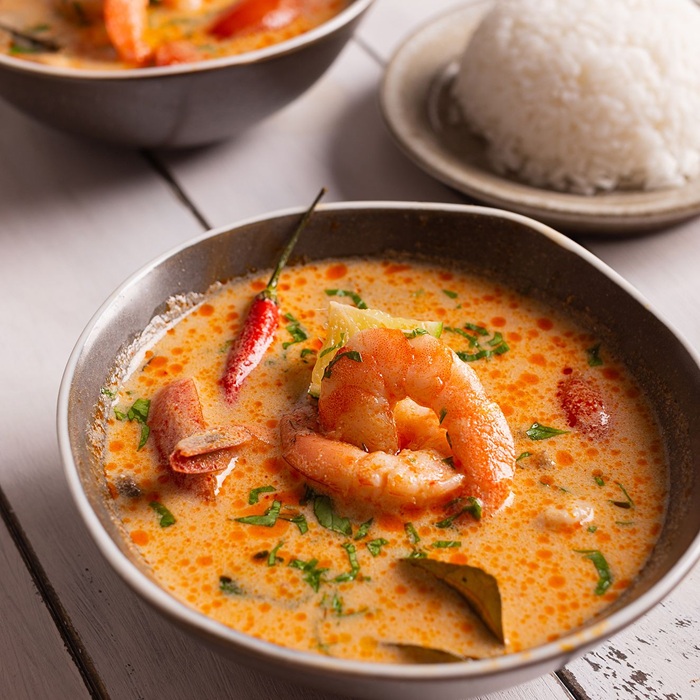
Tom yum soup with prawns
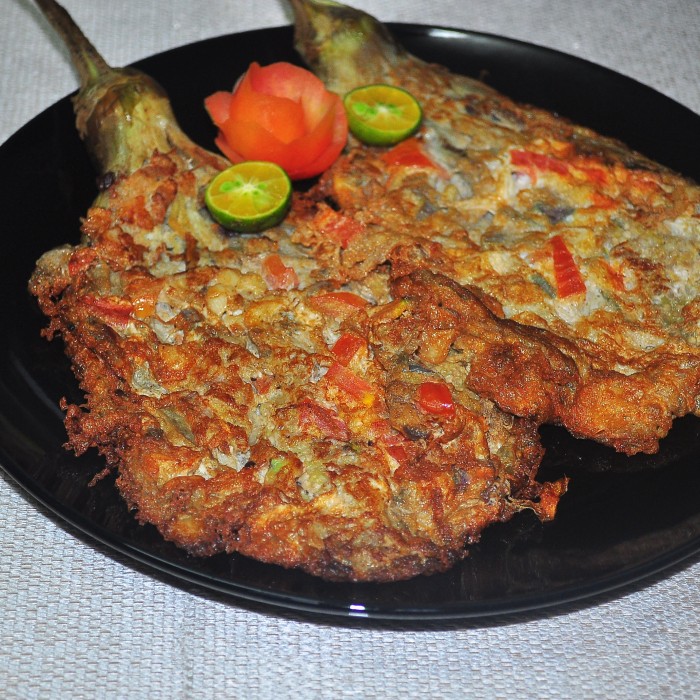
Tortang Talong
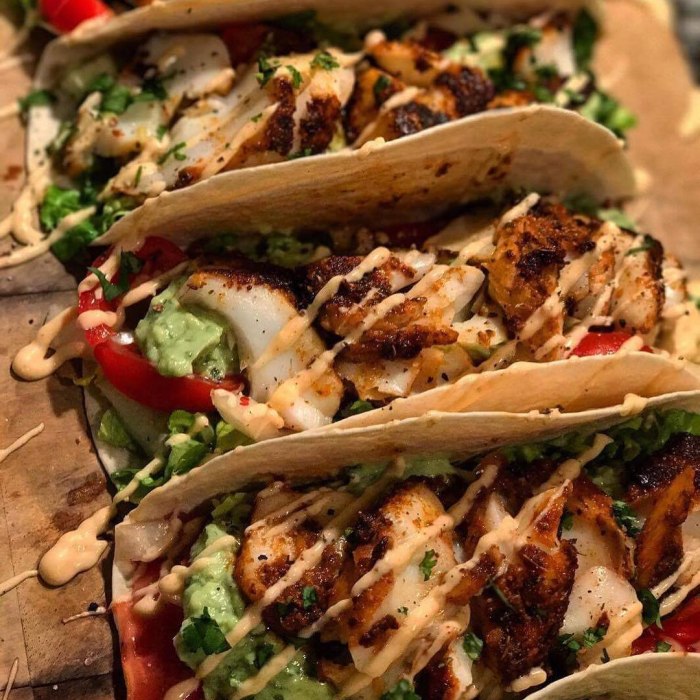
Cajun spiced fish tacos
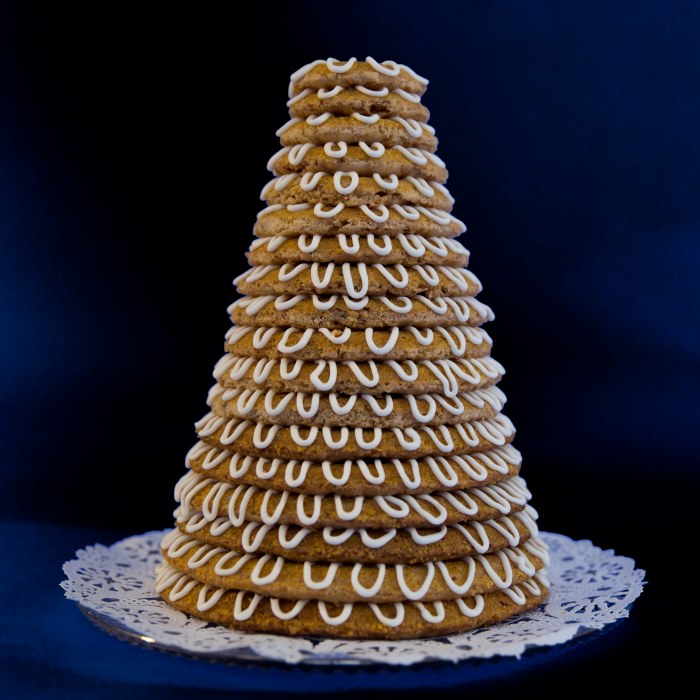
Authentic Norwegian Kransekake
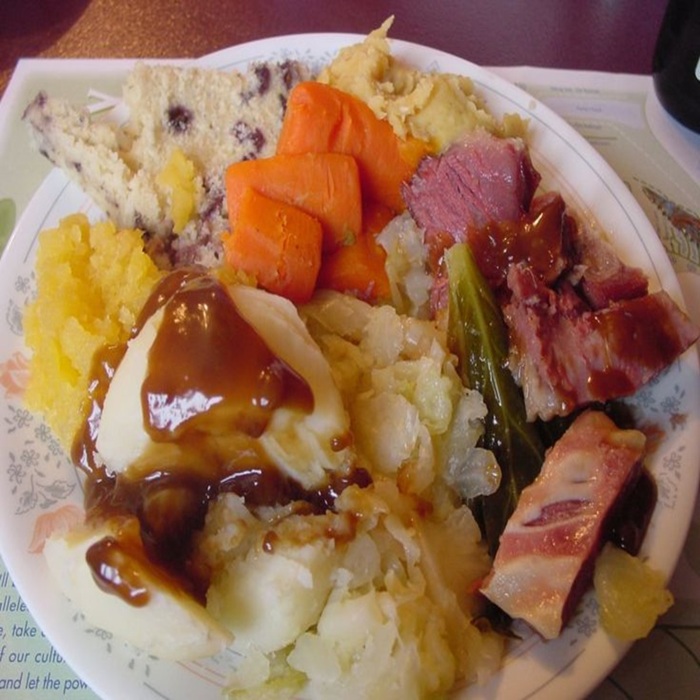
Jiggs Dinner

Treacle Tart
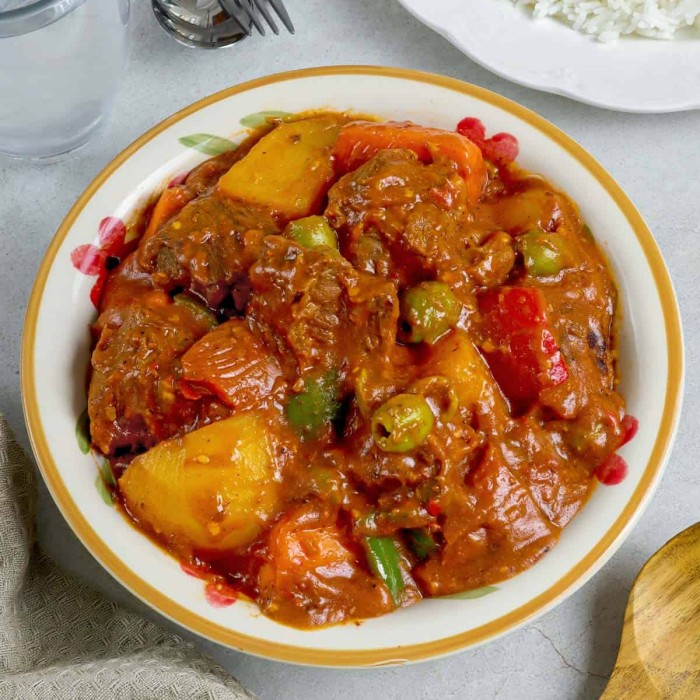
Beef Caldereta
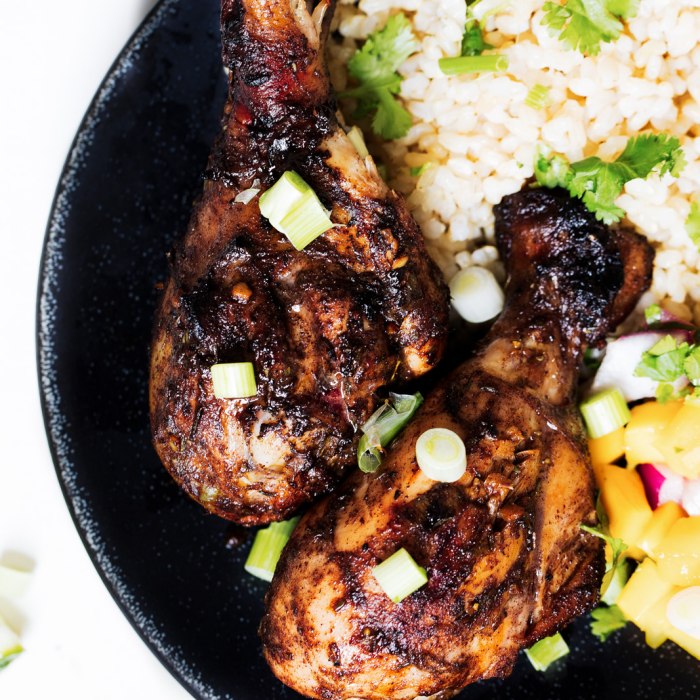
Jerk chicken with rice & peas
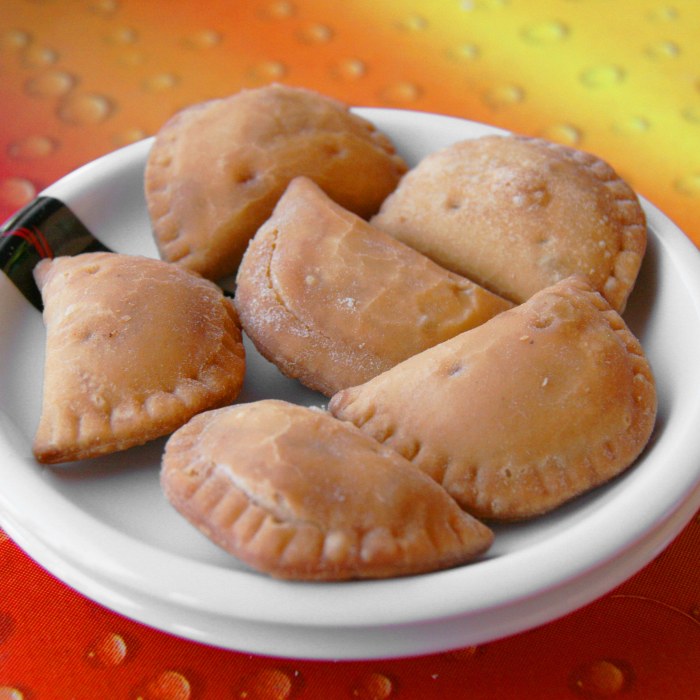
Empanadas
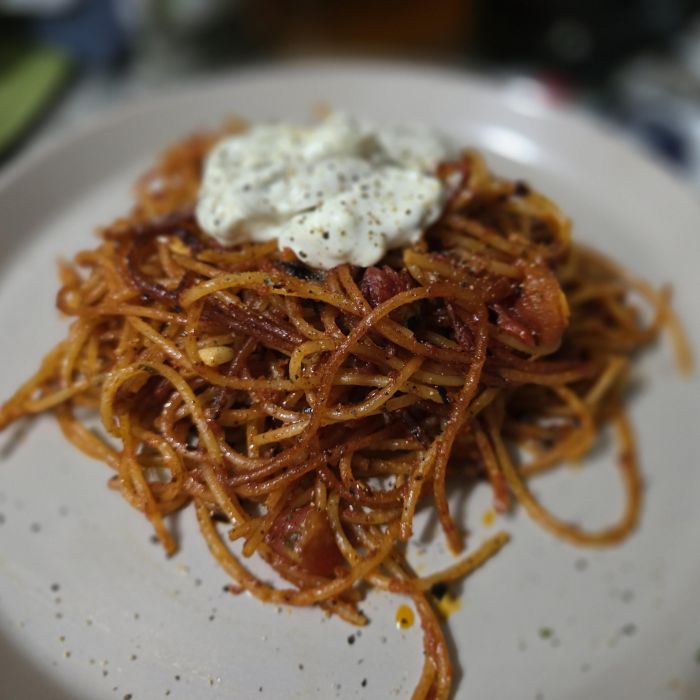
Syrian Spaghetti
How to Use
1. Search by Name
Enter the name of the dish you want to find in the search box and click the search button. Search in English for more results.
2. Use Category Filters
Select a category like Beef, Chicken, Seafood, Vegetarian, or Dessert to see meals from that category only.
3. Explore by Country
Use the country/region filter to find traditional dishes from specific countries. Explore cuisines from Italy, Japan, Mexico, Korea, and more.
4. Discover Random Meals
Click the random meal button to see a variety of randomly selected dishes. Great for when you want to try something new.
5. View Detailed Recipes
Click on a meal card to see the ingredients list, step-by-step cooking instructions, and cooking videos. Follow the measurements and steps to cook easily.
Use Cases
Try New Recipes
Search for new dishes you've never tried before and cook them at home. Use the random meal feature to discover unexpected recipes.
Meal Planning
When planning weekly meals, search various categories to create a balanced diet plan.
Special Occasion Cooking
Find special dishes for anniversaries or parties. Choose from various categories including desserts, main courses, and appetizers.
Learn World Cuisines
Use country filters to learn traditional dishes and cooking methods from different countries and experience world food cultures.
Useful Tips
- Search in English to find more recipes (e.g., Pasta, Chicken, Curry)
- When ingredients are missing, you can substitute with similar items. Use the recipe as a guide but feel free to improvise
- Watching cooking videos helps understand the cooking process more easily
- Adjust ingredient amounts according to the number of servings
- For first-time recipes, allow extra time and follow the steps slowly
- Try plating your dish by referring to the finished meal photos
Frequently Asked Questions
Where do the recipes come from?
All recipes are provided by TheMealDB open database, a free public API offering diverse recipes from around the world.
Are there Korean food recipes?
Yes, select 'Korean' in the country/region filter to find Korean food recipes including bibimbap, bulgogi, and more.
Can I substitute ingredients?
Yes, you can substitute similar ingredients if something is unavailable. For example, you can replace specific herbs with others or omit them.
Are there vegetarian recipes?
Yes, select 'Vegetarian' or 'Vegan' in the category filter to find plant-based recipes.
Can I save or bookmark recipes?
Currently there's no built-in save feature, but you can bookmark recipe URLs or use the share function to find them later.
How long does cooking take?
Cooking time varies by recipe complexity. Simple dishes typically take 20-30 minutes, while complex ones may take 1-2 hours. First-time cooking may take longer, so allow extra time.
Notice
All recipe information is provided by TheMealDB open database. Recipes are for reference only - adjust to your taste. If you have food allergies, please check ingredients carefully.
Complete Guide to a Balanced Diet and Recipes
Balanced Diet Guide
A balanced diet means consuming carbohydrates, protein, fat, vitamins, and minerals in appropriate proportions. A general recommendation is 50-60% carbohydrates, 15-20% protein, and 20-30% fat. Eating a variety of colorful vegetables and fruits every day provides sufficient antioxidants and dietary fiber. Whole grains, legumes, and nuts are also important components of a balanced diet. Reducing excessive processed foods, refined sugar, and saturated fat, along with adequate hydration (1.5-2L per day), is also part of a healthy diet.
Food Guide by Nutrient
Knowing which foods meet your key nutritional needs makes meal planning easier. Carbohydrates are abundant in rice, wheat, potatoes, and sweet potatoes. Protein can be obtained from chicken breast, eggs, tofu, fish, and legumes. Healthy fats are found in avocados, olive oil, nuts, and oily fish. Iron is rich in red meat, spinach, and tofu, while calcium is abundant in dairy products, soy milk, and broccoli. Vitamin C is plentiful in bell peppers, kiwi, and citrus fruits, and Vitamin D can be obtained from salmon, mushrooms, and egg yolks.
Meal Planning Tips
Effective weekly meal planning helps save time and money while maintaining nutritional balance. Planning your menu for the week in advance and doing your grocery shopping all at once reduces food waste. Using 'meal prep' — prepping ingredients or cooking basic dishes on weekends — allows for healthy eating even on busy weekdays. Diversifying your diet by making multiple dishes from the same ingredients, and utilizing freezer storage, allows you to maintain freshness while preparing meals efficiently.